The Psychology of Puzzles: How Solving Challenges Can Calm the Mind
Unlocking the Mind: The Benefits of Puzzle Solving
In today’s fast-paced world filled with distractions from digital devices and a constant stream of information, the practice of solving puzzles emerges as a remarkably effective tool for mental clarity and focus. Engaging with puzzles not only provides a sense of accomplishment but also promotes relaxation, allowing the mind to gain a respite from the chaos of daily life. As individuals tackle these challenging tasks, they often discover an unexpected calm that encourages a deeper dive into their cognitive capabilities.
Why Puzzles Are More Than Just Games
Puzzles are multifaceted and come in a wide array of forms, each uniquely contributing to cognitive development and psychological well-being:
- Crossword puzzles are excellent tools for enhancing vocabulary and improving problem-solving skills. Researchers have found that regularly engaging in crosswords can lead to a significant increase in word recall and recognition abilities, vital skills that can foster better communication in social and professional settings.
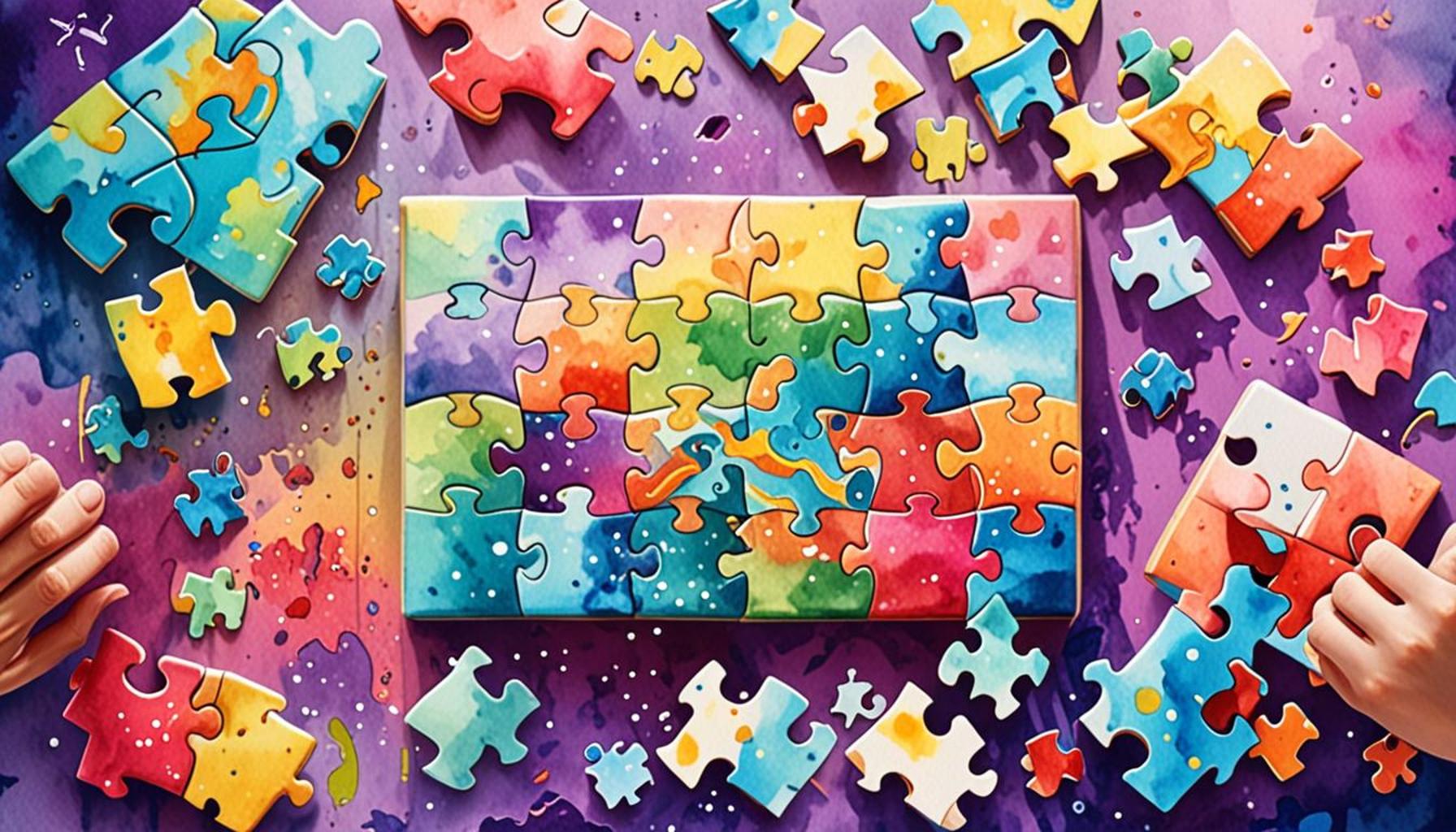
- Jigsaw puzzles not only entertain but can also serve to improve spatial reasoning—an essential skill in fields like architecture and engineering. Moreover, they promote mindfulness, as the act of fitting pieces together fosters a meditative state that helps focus the mind on the present moment, alleviating stress through absorption in the task at hand.
- Logic puzzles provide yet another avenue for cognitive engagement. By challenging critical thinking and concentration, these puzzles push individuals to develop a systematic approach to problem-solving, which can be beneficial in various professional contexts, such as in coding and strategic planning.
Research indicates that consistent engagement with these brain teasers can lead to enhanced cognitive function over time. For example, studies have shown that older adults who regularly engage in puzzle-solving activities display a lower risk of developing cognitive decline. Moreover, solving puzzles can serve as a vibrant escape from daily pressures, akin to a vacation for the mind.
The Scientific Underpinning
Delving into the science behind this phenomenon reveals fascinating insights into the psychology of puzzle-solving. Numerous studies have suggested that immersing oneself in a puzzle boosts dopamine levels in the brain, the neurotransmitter associated with pleasure and reward. This biochemical response not only encourages ongoing engagement but also has a mood-enhancing effect, further promoting mental well-being. Interestingly, this link between brain activity and emotional satisfaction highlights an intricate relationship that uncovers much about the human experience.
In summary, the connection between puzzle-solving and mental acuity is substantial and offers a treasure trove of benefits. From enhancing cognitive functions to promoting relaxation and reducing stress, puzzles can serve as an invaluable part of a healthy mental routine. For anyone seeking a simple yet effective way to unlock their mind’s potential, embracing the world of puzzles could be a transformative journey worth exploring.
DIVE DEEPER: Click here to uncover more insights
The Therapeutic Nature of Puzzle-Solving
The act of solving puzzles transcends mere entertainment; it has emerged as a therapeutic practice that promotes mental wellness. Engaging with puzzles requires concentration and focus, drawing individuals away from their racing thoughts and into a realm of problem-solving. This transition not only provides an opportunity for cognitive engagement but allows individuals to experience a profound sense of calm. As one immerses themselves in puzzle-solving, the mind is offered a respite from everyday stressors, leading to significant psychological benefits.
When people engage with puzzles, they often enter a state of flow, where they become entirely absorbed in the activity. This concept, popularized by psychologist Mihaly Csikszentmihalyi, describes a mental state of deep concentration, where individuals lose track of time and outside distractions fade away. Flow is characterized by heightened focus and happiness, making puzzle-solving a natural avenue for achieving this desirable state. The positive feedback loop created by successfully completing a puzzle can further enhance feelings of satisfaction and accomplishment, reinforcing the desire to engage in similar activities.
Cognitive Benefits Autonomously Cultivated
Puzzles come in various forms, and their cognitive benefits are manifold. The diversity in puzzles provides varying levels of complexity and challenge, catering to a wide range of skill levels and interests:
- Sudoku challenges the mind’s logical reasoning and enhances numerical proficiency. It requires players to strategize and think critically, sharpening analytical skills that are applicable in real-world decision-making.
- Word searches can elevate attention to detail and improve pattern recognition, both essential skills in everyday life, including in professional environments where precision is key.
- Trivia and quiz-based puzzles stimulate general knowledge while fostering a spirit of competition. Engaging with these formats not only combats monotony but also encourages socialization through group activities.
As research continues to uncover the intricate connections between puzzle-solving and cognitive functions, scientists are increasingly interested in how these activities contribute to overall mental health. Engaging with puzzles may slow down cognitive decline and reduce the risk of developing conditions such as dementia, especially in older adults. The cognitive workout provided by puzzles helps maintain mental agility, contributing to a more vibrant and active mind.
In essence, the healing properties of puzzles extend beyond their face value. They offer an antidote to the chaos of modern life, allowing individuals to find solace and clarity. By providing a structured framework for thought and engagement, puzzles hold the potential to soothe an overstimulated mind, making them not only enjoyable but profoundly beneficial to our mental health. As the benefits of puzzle-solving continue to unfold, embracing these challenges may become a cornerstone of personal wellness strategies, inviting individuals to unlock not only solutions but also new dimensions of calm.
The Psychology of Puzzles: Unveiling the Benefits of Solving Challenges
Puzzles have long been a source of entertainment, but their benefits extend far beyond mere enjoyment. Engaging with puzzles offers cognitive, emotional, and even social advantages that contribute to mental well-being. As we delve deeper into the psychology of puzzles, it becomes evident that solving challenges can be a powerful ally in promoting a calm and focused mind.
One of the most compelling aspects of puzzles is their ability to enhance focus. When individuals immerse themselves in solving a puzzle, they often enter a state of flow—a mental state characterized by deep concentration and a sense of effortless involvement. This phenomenon can effectively distract the mind from daily stressors, allowing for a reprieve from anxiety and overwhelming thoughts.
Furthermore, puzzles stimulate brain activity, leading to improved cognitive functions. Research indicates that regularly challenging the brain with puzzles can enhance memory, problem-solving skills, and even creativity. This mental exercise not only keeps the mind sharp but also instills a sense of accomplishment upon solving a challenging piece, further boosting self-esteem and mood.
Equally interesting is the social aspect that puzzles can create. Collaborating on a jigsaw puzzle or competing in a crossword challenge fosters social interaction, which is essential for emotional health. These shared activities promote bonding and communication, allowing individuals to connect and collaborate—a key factor in combating feelings of loneliness and isolation.
Incorporating puzzles into your day can thus serve as a practical strategy to cultivate a calm mind amidst modern life’s chaos. Whether it’s through a simple crossword, a complex Sudoku, or even intricate jigsaw puzzles, the act of solving challenges engages the mind in a deeply rewarding manner, making it an effective tool for emotional and mental well-being.
| Benefits of Puzzles | Psychological Impact |
|---|---|
| Improved Focus | Enhances concentration and promotes a flow state. |
| Enhanced Cognitive Skills | Boosts memory and problem-solving abilities through mental stimulation. |
| Social Interaction | Fosters bonds through group puzzle-solving activities. |
| Mood Boost | Provides a sense of achievement leading to improved self-esteem. |
By embracing the simplicity of puzzles, individuals can effectively incorporate strategies into their daily routines that promote mental tranquility and overall psychological health.
DIVE DEEPER: Click here to learn more
The Connection Between Puzzles and Mindfulness
One of the most striking features of engaging with puzzles is the intrinsic connection to mindfulness. As individuals tackle varied challenges—whether it’s arranging jigsaw pieces or unraveling a complex crossword—they are compelled to exist in the present moment. This practice of focusing on the task at hand mirrors mindfulness techniques often utilized in meditation and therapy. By immersing oneself in a puzzle, distractions are diminished, and the mind is anchored to the here and now. This can be particularly beneficial for those grappling with anxiety or overwhelming thoughts, offering a mindful escape that promotes clarity and tranquility.
Research suggests that mindfulness can have extensive benefits on mental health. For instance, a study published in the journal Psychological Science indicated that engaging in activities requiring sustained attention leads to increased emotional regulation and reduced ruminative thinking. This evidence supports the idea that regularly solving puzzles can serve as an effective strategy in managing mental health and supporting overall well-being. Furthermore, the concentration demanded by puzzle-solving encourages individuals to tune into their thoughts and feelings, facilitating a greater awareness of their mental state—a core principle of mindfulness practice.
The Social Dimension of Puzzle-Solving
Puzzles also possess a significant social component that can enhance their calming effects. Participating in group puzzle activities—such as team-based trivia nights or community jigsaw challenges—fosters connection and collaboration, mitigating feelings of isolation that can accompany anxiety and depression. According to a study from the National Institute of Mental Health, strong social connections are correlated with reduced risks of mental health issues. When people gather to work on puzzles, they not only engage their cognitive faculties but also cultivate relationships, creating a sense of belonging that contributes to emotional well-being.
The popularity of online platforms for collaborative puzzle-solving further highlights this trend. Websites and gaming apps that allow multiple users to work on a puzzle together offer not just a shared challenge but create opportunities for conversation and camaraderie. In an era where digital interactions often dominate, the engagement through puzzles can provide a sense of normalcy and human connection, invaluable for mental health.
Personal Development Through Puzzles
Beyond immediate mental health benefits, puzzles serve as a valuable tool for personal growth. They encourage traits such as persistence, patience, and strategic thinking—qualities that are essential for overcoming not only puzzles but also life’s everyday challenges. Engaging in intricate puzzles can instill a sense of discipline as individuals learn to tackle large tasks bit by bit, fostering motivation and resilience. Such experiences in puzzle-solving translate to enhanced problem-solving skills in real-life scenarios, equipping individuals with greater abilities to face difficulties that come their way.
Moreover, the joy derived from completing a challenging puzzle can boost one’s confidence and provide a sense of achievement, which often trickles into various aspects of personal and professional life. As individuals repeatedly conquer puzzles, they may find their capacity for managing stress and navigating unpredictable situations increasing, contributing to a more robust psychological framework.
In summary, the psychological and emotional benefits of puzzle-solving are profound. By promoting mindfulness, encouraging social interaction, and fostering personal development, puzzles emerge as multifaceted instruments for enhancing mental health and well-being. As society increasingly turns to mental health solutions, embracing puzzles may provide not only a pathway to relaxation but also an opportunity for comprehensive personal growth.
DIVE DEEPER: Click here to learn how focus games can enhance your mindfulness</
Conclusion: Unraveling the Power of Puzzles
As we explore the intricate relationship between puzzles and psychological well-being, it becomes evident that solving challenges goes beyond mere entertainment. Puzzles stimulate the mind while offering a unique form of mindfulness that aids in grounding individuals and providing a respite from daily stressors. This focused engagement encourages emotional regulation and cultivates a deeper awareness of one’s mental state, which is particularly vital in today’s fast-paced world.
Furthermore, the social dynamics associated with collaborative puzzle-solving enhance these calming effects. By participating in group activities, individuals strengthen connections, thus reducing feelings of isolation that often accompany anxiety and depression. These interactions not only offer joy but also serve as an essential support system that plays a significant role in mental health.
Lastly, embracing puzzles as a tool for personal development can yield lasting benefits. The qualities of persistence, patience, and strategic thinking honed through puzzle-solving empower individuals to navigate life’s uncertainties with increased confidence. As we prioritize mental health, it becomes clear that incorporating puzzles into our routines may not only facilitate relaxation but also promote substantial personal growth. In conclusion, as simple as they may seem, puzzles hold the potential to be powerful allies in our pursuit of mental wellness and fulfillment.