Techniques of Meditation and Positive Affirmations to Achieve Inner Peace

Discovering Methods for Mental Clarity and Peace
In the modern world, characterized by relentless schedules and constant connectivity, the pursuit of inner peace can seem elusive. The overwhelming demands of daily life—from work obligations to family responsibilities—often lead individuals to feel stressed and anxious. Fortunately, practices such as meditation and positive affirmations offer effective means to cultivate tranquility and resilience. This article will explore various avenues to help you nurture a more serene mind and improve your mental well-being.
The rising popularity of these techniques is not just a trend; numerous studies confirm their transformative benefits. For instance, research published in reputable psychological journals indicates that consistent meditation significantly reduces stress levels and decreases anxiety symptoms. This is especially relevant in a society where a pervasive sense of urgency can dominate personal well-being. Such practices are effectively reshaping the mental health landscape.
Consider the multi-faceted contributions of meditation:
- Mindfulness meditation encourages individuals to center their thoughts on the present moment, which can be particularly beneficial for reducing distractions caused by negative thinking.
- Transcendental meditation involves the silent repetition of a mantra, allowing participants to dive deep into a state of restful awareness—scientific data supports its efficacy in lowering high blood pressure.
- Loving-kindness meditation focuses on fostering compassion for oneself and others, a practice that has been linked to improved emotional health and greater social connection.
Amidst these practices, the importance of positive affirmations cannot be overstated. These simple, yet profound statements—like “I am enough” or “I choose peace”—serve as daily reminders that assist in reshaping your mindset. By repeating affirmations, individuals can combat negative self-talk, which is often exacerbated by societal pressures and unrealistic standards. For context, a 2016 study found that participants who engaged in daily affirmations reported higher self-esteem and greater resilience against stressors.
As you explore the diverse landscape of these mental wellness practices, recognize that each person’s journey is unique. What resonates with one might not resonate with another, and finding the right approach may require some experimentation. Embrace stillness and embark on the journey toward self-discovery and enhanced tranquility.
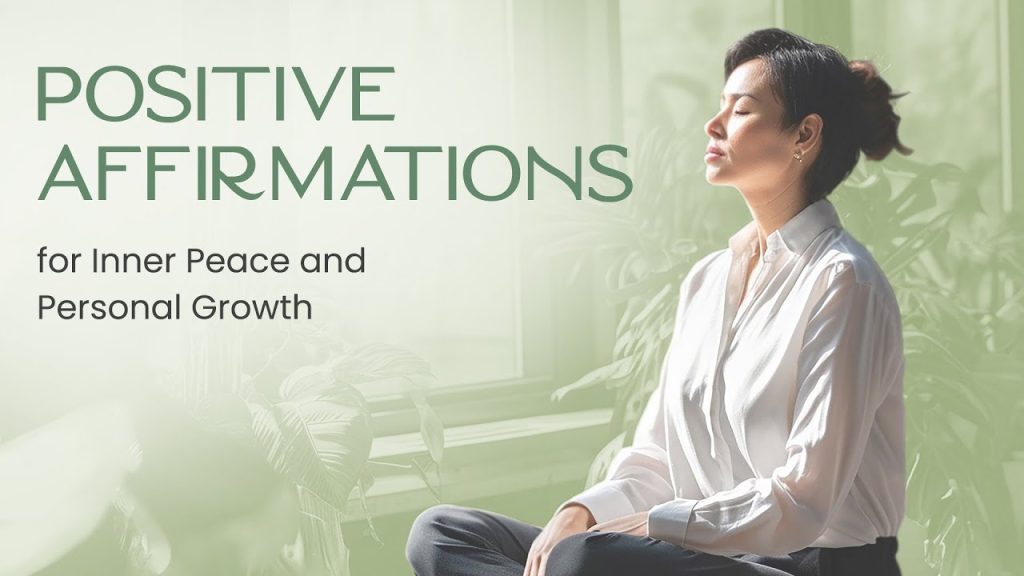
In conclusion, as you navigate this chaotic world, contemplate incorporating meditation and positive affirmations into your daily routine. As you do so, you may just find that the path to peace is not as distant as it appears, but rather a practice of patience and commitment to self-care.
DISCOVER MORE: Click here to boost your confidence
Exploring Different Meditation Techniques
Meditation offers a rich tapestry of techniques tailored to meet diverse needs and preferences. Understanding these different methods is essential for finding the right fit to help you attain inner peace. Each technique taps into distinct aspects of mindfulness, encouraging mental clarity while fostering emotional health. Below, we delve deeper into a few widely practiced meditation techniques that can promote serenity:
- Mindfulness meditation: This technique emphasizes focusing on the present moment, allowing individuals to observe their thoughts and feelings without judgement. By anchoring attention to the breath or bodily sensations, practitioners can cultivate awareness that reduces stress and distractions. Scientific studies indicate that even just a few minutes of mindfulness meditation daily can enhance emotional regulation and promote relaxation.
- Transcendental meditation: Unlike mindfulness, Transcendental meditation involves the repetition of a specific mantra, which helps quiet the mind and reach a deep state of restful awareness. Research suggests that consistent practice leads to improvements in cardiovascular health and stress reduction. In fact, a study by the American Journal of Hypertension found significant reductions in blood pressure among practitioners of this technique.
- Loving-kindness meditation: Often referred to as “metta,” this practice encourages the cultivation of positive feelings towards oneself and others. By actively wishing well for friends, family, and even those with whom one has conflict, loving-kindness meditation fosters a sense of connection and compassion. Research published in the Journal of Happiness Studies shows that such practices not only improve emotional well-being but can also lead to increased social integration.
- Guided visualization: This technique typically involves focusing on calming images or scenarios, often led by a narrator or through recordings. Guided visualization can transport individuals to serene spaces—such as tranquil beaches or lush forests. Studies show that this form of meditation can significantly decrease anxiety and create a general sense of peace.
While meditation serves as a cornerstone of achieving inner peace, the practice of positive affirmations complements these techniques effectively. Affirmations are simple yet powerful statements that help combat negative self-talk and reinforce a positive mindset. By repeating affirmations like “I am resilient” or “I embrace tranquility,” individuals create a mental environment conducive to healing and growth.
Integrating these affirmations with meditation enhances the overall experience, as validated by research conducted at Stanford University, which found that participants who practiced affirmations during meditation exhibited elevated self-esteem and decreased stress levels. The synergy of these approaches encourages a deep-rooted shift in both perception and emotional resilience, paving the way for greater peace and fulfillment.
As the journey to inner peace unfolds, experimenting with different meditation techniques and incorporating positive affirmations tailored to your lifestyle is vital. The key is not only in the methods themselves but in cultivating a consistent practice that aligns with your personal journey.
The Path Forward: Embracing a Holistic Approach
Embarking on a quest for inner peace involves self-discovery, patience, and commitment to a practice that resonates with you. Whether you choose to commit to mindfulness, explore mantra-based meditation, or infuse your routines with affirmations, remember that the journey itself is as important as the destination. By fostering these techniques, you open the door to a sanctuary of peace within you.
| Technique | Benefits |
|---|---|
| Mindfulness Meditation | Helps in focusing on the present moment, reducing anxiety. |
| Guided Visualization | Enhances imagination to cultivate peace and reduce stress. |
| Positive Affirmations | Empowers the mind, replacing negative thoughts with uplifting beliefs. |
| Breathing Techniques | Promotes relaxation and mental clarity, aiding in emotional stability. |
Exploring the various techniques of meditation and positive affirmations can transform your journey towards achieving inner peace. Mindfulness meditation, for instance, encourages practitioners to immerse themselves in the present, offering a profound method to combat anxiety. Meanwhile, guided visualization harnesses the power of imagination, enabling individuals to manifest tranquility amidst chaos. Utilizing positive affirmations can significantly bolster self-esteem; by embedding uplifting beliefs into daily routines, one can effectively counteract negative self-talk. Meanwhile, breathing techniques not only enhance relaxation but also sharpen mental clarity, providing a stable emotional footing. By integrating these powerful techniques into your daily life, you can unlock potential pathways to enduring peace and emotional well-being.
DISCOVER MORE: Click here to learn how daily affirmations can transform your mindset
Integrating Techniques for a Richer Experience
To deepen the pursuit of inner peace, integrating various meditation techniques with positive affirmations can offer a holistic approach that addresses the complexities of the mind and spirit. While each meditation technique serves a unique purpose, combining them can produce compound benefits, enriching your overall practice. Here are some innovative ways to blend these approaches for enhanced effectiveness:
- Sequential Practice: Instead of choosing a single technique for your practice, alternate between them. For example, you might start with a few minutes of mindfulness meditation to center your thoughts, then transition into loving-kindness meditation, culminating in positive affirmations. This sequential practice allows you to experience the benefits of multiple techniques while adapting to the needs of your mind and body on any given day.
- Affirmations During Meditation: Infuse your meditation sessions with specific affirmations to target areas in your life needing attention. For instance, while practicing transcendental meditation with a mantra, you might intersperse affirmations like “I am open to peace” or “I release negativity.” Conducting such practices allows your subconscious to absorb positive messages, enhancing emotional resilience.
- Themed Sessions: Design your sessions around particular themes or issues you want to focus on. For instance, if you’ve been experiencing stress related to work, dedicate a session entirely to that theme. Combine guided visualization encapsulating a peaceful workplace with affirmations such as “I am capable and calm,” which can prime your mind for a more serene response to stressors.
- Nature as a Catalyst: Leveraging the tranquility of nature can enhance your meditation experience. Taking your practice outdoors while engaged in guided visualization or mindfulness meditation can deepen your connection to the present moment. Incorporating affirmations that resonate with nature, like “I am grounded” or “I flow like water,” can enrich the experience, using the natural surroundings to foster peace.
To further illuminate the power of combining techniques, a study from the University of Massachusetts highlighted that participants who experienced guided imagery and positive affirmations during meditation reported significantly lower levels of anxiety compared to those who engaged in single-modality sessions. This underscores the idea that synergy between practices can yield substantial psychological benefits.
So, why not tailor your practice based on situational needs? Embrace the flexibility of your meditation routine to allow for experimentation. This can lead to surprising revelations about what truly brings you serenity and bliss. For example, if you are overwhelmed by negativity, try incorporating stronger affirmations focused on self-love and acceptance, like “I am worthy of peace.” When you adapt your techniques based on your emotional landscape, you create a dialogue with yourself that cultivates a deeper understanding and appreciation for your journey towards inner peace.
Moreover, understanding that the efficacy of these practices is not solely individualistic offers an opportunity for communal exploration. Group meditative sessions, particularly those incorporating affirmations, can forge connections among participants, promoting collective healing and positive energy. Research demonstrates that group meditation can elevate individual experiences, amplifying feelings of belonging and support, essential components for nurturing inner peace.
Ultimately, the integration of various meditation techniques with uplifting positive affirmations not only enriches the experience but also solidifies your commitment to achieving a profound state of tranquility. The adventurous process of self-exploration in meditation opens more pathways to serenity than one might initially realize, affirming that there is no singular route to finding inner peace. Embrace the journey, and let your curiosity guide your exploration.
DISCOVER MORE: Click here to unlock the power of daily affirmations
Conclusion: Embracing the Path to Inner Peace
As we navigate the complexities of modern life, the incorporation of meditation techniques and positive affirmations emerges as a powerful strategy for cultivating inner peace. The combination of various practices allows individuals to tailor their experiences, ensuring they resonate with their specific emotional landscapes and personal challenges. Through systemic exploration, whether practicing sequential techniques or infusing meditative moments with affirmations, individuals can create significant shifts in their mental and emotional well-being.
Moreover, understanding the communal aspect of these practices enriches the journey. Participating in group meditation can elevate not just personal experiences, but also foster a sense of belonging and collective healing. Such dynamics remind us that our quest for tranquility is not a solitary endeavor but a shared mission to cultivate positivity and peace among ourselves and our communities.
The research pointing to the psychological benefits of integrating meditation with affirmations reinforces the importance of this holistic approach. Each individual’s path to serenity may differ, and the key lies in embracing the process of self-discovery through adaptability and openness. Allowing curiosity to guide your meditation journey can lead to profound insights and a deeper appreciation for the present moment.
In summary, prioritize experimentation and reflection as you combine various techniques and affirmations. Embrace the journey to inner peace with an open heart and mind, as you uncover the transformative potential of these practices for a more tranquil and fulfilling life.