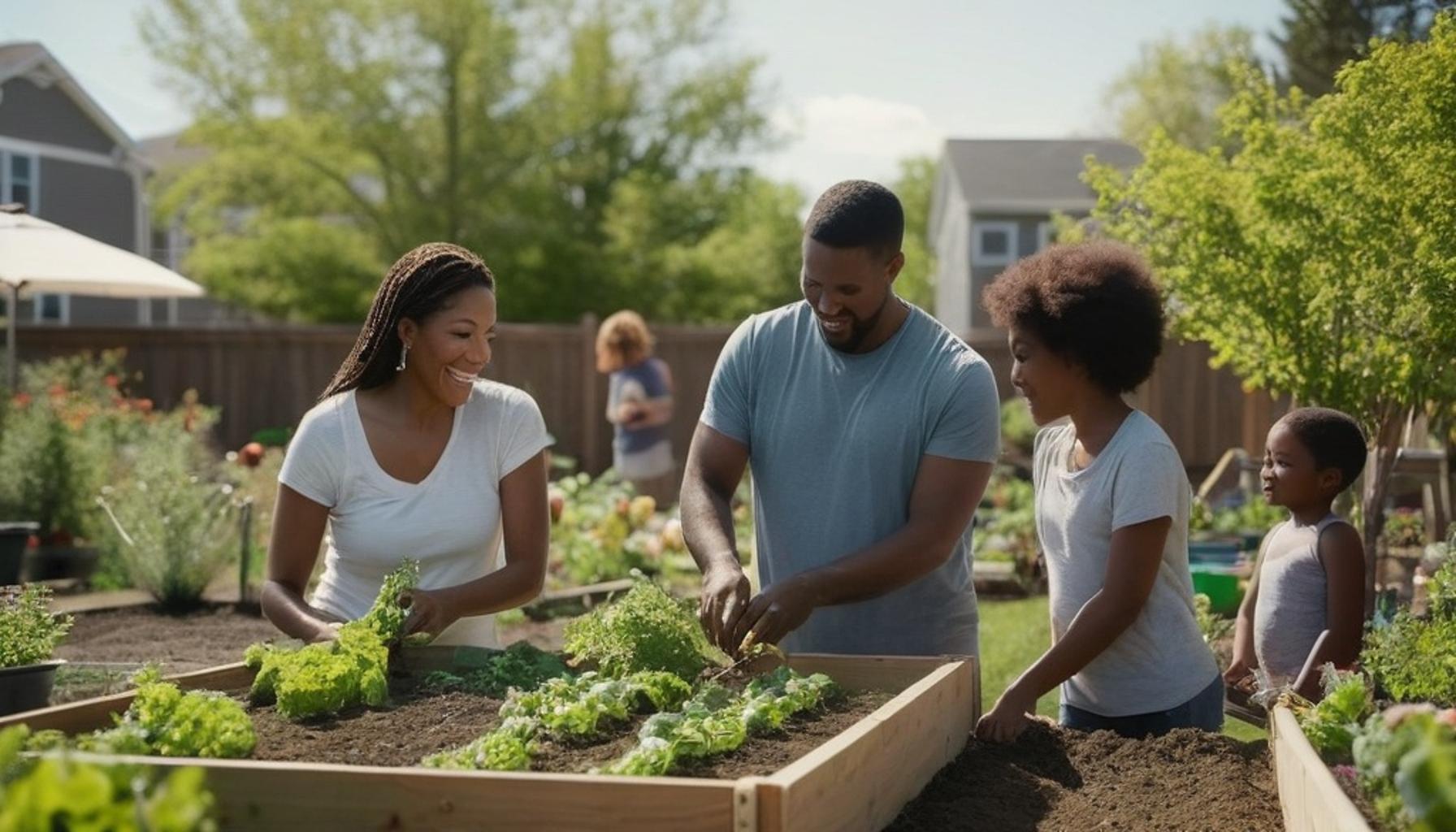
The Role of Social Connections in Mental Health: Building Resilience Through Relationships

Why Human Connection Matters More Than Ever
Loneliness has quietly become one of America’s most pressing public health concerns. The U.S. Surgeon General has even compared its health risks to smoking 15 cigarettes a day. Yet the antidote might be simpler than most people think.
Research increasingly points to social connections in mental health as a critical factor in emotional well-being. From casual coffee chats to deep friendships, these bonds shape how we cope with stress, adversity, and everyday challenges. In a country where nearly half of adults report feeling isolated at some point during the year, according to recent surveys, the conversation around connection has shifted from a soft, feel-good topic to a matter of genuine public health urgency.
Consider the everyday moments that often go unnoticed: a quick text exchange with an old college roommate, a weekly phone call with a parent, or even a friendly wave from a neighbor while walking the dog. These small interactions may seem trivial, but experts argue they accumulate into something far more powerful, a buffer against the isolation that has become disturbingly common in modern American life.
The Science Behind Social Bonds
Studies from Harvard’s decades-long Grant Study reveal that strong relationships, not wealth or fame, predict happiness and longevity. This underscores the importance of social connections in ways that go beyond casual assumption. Researchers tracked participants for over 80 years, finding that those with warm, reliable relationships in midlife were significantly healthier and happier in their later decades than those who prioritized career achievements or financial success alone.
Consider what robust social ties can offer:
- Lower rates of anxiety and depression
- Faster recovery from illness and trauma
- Improved immune system function
- Greater sense of purpose and belonging
These findings are not confined to laboratories or academic journals. They show up in everyday life, from support groups in small towns across the Midwest to bustling city neighborhoods where community centers offer a lifeline to newcomers and longtime residents alike.
Relationships as a Buffer Against Life’s Storms
Life inevitably brings setbacks, job loss, grief, illness. But mental health and relationships are deeply intertwined, often determining how quickly someone bounces back. A layoff notice hits differently when there’s a spouse, sibling, or close friend to lean on versus facing it entirely alone.
This is where building resilience through relationships becomes essential. Whether it’s a neighbor checking in or a support group offering solidarity, these connections create a safety net during difficult times.
In the sections ahead, we’ll explore how social support for mental health works on a biological level, and why friendship and mental wellness deserve a permanent place in your self-care routine.
LEARN MORE: How cultivating healthy friendships contributes to balanced lifestyle habits
The Biology of Belonging: What Happens Inside the Brain
Beneath every friendly conversation or shared laugh, something remarkable is happening inside the human body. Social support for mental health isn’t just a comforting phrase, it’s a measurable biological process involving hormones, neural pathways, and stress regulation systems that scientists have been decoding for decades.
When people connect meaningfully, whether through a heartfelt conversation or a simple hug, the brain releases oxytocin, often nicknamed the “bonding hormone.” This chemical doesn’t just create warm feelings; it actively lowers cortisol, the stress hormone responsible for that frazzled, overwhelmed sensation so many Americans know all too well. Neuroscientists studying this process have found that oxytocin also interacts with the amygdala, the brain’s fear-processing center, effectively turning down the volume on anxiety and threat perception whenever we feel genuinely supported by someone else.
Research published by the National Institutes of Health has shown that individuals with strong social ties tend to have lower blood pressure and reduced inflammation markers compared to their more isolated peers. This connection between relationships and physical health illustrates just how deeply mental health and relationships are woven together at a cellular level. Some researchers have even coined the term “social homeostasis” to describe how the body actively seeks connection the same way it seeks food or sleep, treating isolation as a biological alarm signal rather than a mere emotional inconvenience.
Interestingly, the vagus nerve, a long, wandering nerve connecting the brain to major organs, plays a starring role in this process. A well-toned vagal response, often built through consistent positive social interaction, helps regulate heart rate and digestion, offering yet another example of how emotional closeness translates into tangible physiological benefits.
What the Data Reveals About Isolation’s Toll
The numbers paint a sobering picture. According to a 2023 report from the U.S. Surgeon General’s office, chronic loneliness increases the risk of premature death by 29 percent, a statistic comparable to well-known risk factors like obesity and physical inactivity.
Beyond mortality rates, isolation carries a cascade of other consequences worth understanding:
- Increased risk of stroke and heart disease by nearly 30 percent
- Higher likelihood of cognitive decline in older adults
- Elevated rates of depression, sometimes doubling in socially isolated populations
- Weakened immune response, leading to slower recovery from common illnesses
These figures explain why public health officials nationwide, from rural clinics in Montana to urban hospitals in Chicago, are beginning to treat loneliness with the same seriousness as smoking cessation or dietary counseling. Some insurance providers have even started piloting programs that screen patients for social isolation during routine checkups, treating it as a legitimate vital sign alongside blood pressure and cholesterol.
Understanding the importance of social connections at this scientific level shifts the conversation. It’s no longer just about feeling good; it’s about survival, recovery, and long-term vitality. Communities that once relied on church gatherings, neighborhood block parties, or bowling leagues to foster connection are now searching for modern equivalents, as remote work and digital communication reshape how Americans interact daily. The next section explores how these biological insights translate into practical, everyday strategies for strengthening the relationships that matter most.

CHECK OUT: The role of social media in building meaningful connections in the digital age
Building Resilience Through Relationships: What Actually Works
If biology explains why connection matters, resilience research explains how to use that knowledge practically. Psychologists studying social connections in mental health have identified specific relationship patterns that consistently predict emotional durability during hardship, from job loss to serious illness. These findings are reshaping how clinicians, employers, and even city planners think about wellbeing in America today.
One striking finding comes from the Harvard Study of Adult Development, one of the longest-running research projects in history. After tracking participants for over 80 years, researchers concluded that the quality of close relationships, not wealth or career achievement, was the strongest predictor of happiness and health in later life. This reinforces the growing consensus that friendship and mental wellness are inseparable, regardless of income bracket or zip code. Lead researcher Robert Waldinger has repeatedly pointed out that participants who felt genuinely connected to others in midlife were physically healthier decades later, with slower cognitive decline and fewer chronic illnesses.
The Difference Between Quantity and Quality
Not all social contact carries equal weight. Someone with 500 social media followers can feel more isolated than a person with three dependable friends who show up during a crisis. Researchers call this distinction “relational depth,” and it consistently outperforms sheer network size when predicting emotional resilience. A crowded group chat, in other words, means little if nobody actually checks in when things fall apart.
A few patterns emerge repeatedly in resilience studies:
- People with at least one confidant report significantly lower rates of anxiety during major life stressors
- Reciprocal relationships, where support flows both ways, build stronger coping skills than one-sided dynamics
- Regular, low-pressure contact, like a weekly phone call, often matters more than infrequent big gestures
- Group belonging, whether through a church congregation, softball league, or veterans’ support circle, adds a layer of identity-based resilience
This helps explain why community-based programs, from Big Brothers Big Sisters mentorship initiatives to VA-sponsored peer support groups for veterans, have gained traction across the country. They aren’t just filling free time; they’re actively rewiring how people respond to adversity. In small towns and major cities alike, these programs offer structured ways for isolated individuals to rebuild a sense of belonging that modern life often erodes.
Real-World Applications Gaining Momentum
Healthcare systems are catching on. Kaiser Permanente and other major providers have begun incorporating “social prescribing,” where doctors refer patients to community activities or support groups alongside traditional treatment plans. Early data suggests patients receiving these referrals report fewer depressive symptoms within six months compared to those relying solely on medication. Some clinics in California and Massachusetts have even partnered with local nonprofits to track outcomes, creating a feedback loop between social engagement and measurable health improvements.
Workplaces are experimenting too. Companies like Salesforce and Cisco have introduced peer mentorship programs specifically designed to combat post-pandemic isolation among remote employees. These initiatives reflect a broader recognition that building resilience through relationships isn’t limited to personal life; it extends into professional environments where burnout and disconnection often intersect. Human resources departments increasingly view social infrastructure as seriously as they view salary and benefits packages.
Even small, everyday choices contribute meaningfully. Joining a local running club, volunteering at a food bank, or simply committing to a recurring coffee date can produce measurable shifts in stress tolerance over time, according to ongoing research from the American Psychological Association. Experts suggest that consistency, more than intensity, is what ultimately determines whether these relationships translate into lasting resilience.
The Bottom Line on Connection and Resilience
The evidence is hard to ignore. From decades-long Harvard research to workplace pilot programs at companies like Cisco, the message stays consistent: social connections in mental health function less like a luxury and more like a biological necessity. The data suggests that relationships shape everything from cortisol levels to cognitive decline, often more powerfully than income or career status ever could.
What makes this research particularly relevant right now is the timing. Surgeon General Vivek Murthy has publicly labeled loneliness an epidemic affecting nearly half of American adults, a statistic that puts the importance of social connections into sharp national focus. Against that backdrop, the strategies outlined throughout this piece, from social prescribing at clinics in California to peer mentorship at major employers, look less like isolated experiments and more like early responses to a widespread public health concern.
Three takeaways stand out for anyone looking to apply this research personally:
- Depth beats breadth: a handful of reliable relationships outweighs a sprawling but shallow network
- Consistency matters more than grand gestures, so regular low-key contact builds resilience steadily over time
- Structured community involvement, whether through faith groups, volunteering, or peer support circles, provides identity-based stability during hardship
The broader takeaway is that mental health and relationships can no longer be treated as separate conversations. As healthcare providers, employers, and city planners continue integrating social infrastructure into formal wellness strategies, the responsibility also falls on individuals to prioritize connection deliberately, not accidentally.
Given how measurable these effects are, from slower cognitive decline to fewer depressive symptoms, the case for social support for mental health deserves the same attention Americans give diet or exercise. Investing in relationships isn’t simply about feeling good in the moment. It’s one of the most evidence-backed strategies available for building a longer, steadier, more resilient life.
Frequently Asked Questions
How exactly do social connections in mental health improve resilience during stressful times?
Social connections provide emotional support, practical help, and a sense of belonging that buffer the impact of stress hormones like cortisol. People with strong relationships tend to recover faster from setbacks because they have others to share problems with and gain perspective from. This support network also encourages healthier coping behaviors instead of isolation or avoidance.
Can loneliness really increase the risk of depression and anxiety?
Yes, research consistently links chronic loneliness to higher rates of depression, anxiety, and even physical health problems like heart disease. Lacking meaningful social connections in mental health can trigger rumination and negative thought patterns that worsen over time. Building even a few close relationships can significantly reduce these risks.
What are practical ways to build stronger social connections if I feel isolated in the US?
Joining local community groups, volunteering, or participating in hobby-based clubs are effective ways to meet people with shared interests. Many U.S. cities also offer mental health support groups, faith communities, or fitness classes that naturally foster social bonds. Reaching out to old friends or family members, even briefly, can also reignite valuable connections.
How does the quality of relationships matter more than the number of friends for mental health?
Having a few deep, trusting relationships is more protective for mental health than having many superficial acquaintances. Quality connections offer genuine emotional support, honesty, and reliability during difficult times, which builds true resilience. Focusing on nurturing a small circle of meaningful relationships is often more beneficial than trying to expand a large social network.

Linda Carter
Linda Carter is a writer specializing in healthy habits and balanced living. With extensive experience helping readers build sustainable routines, she shares practical guidance on nutrition, physical activity, quality sleep, stress management, and emotional well-being. Her goal is to offer simple, accessible strategies that inspire people to care for their health and enjoy a more balanced life.