Developing Emotional Resilience Through Board Games and Puzzles
The Importance of Emotional Resilience
In today’s fast-paced world, the capacity to navigate stress and bounce back from adversity is essential for maintaining both mental and emotional health. Emotional resilience empowers individuals to face setbacks with confidence, adapt to change, and thrive in challenging environments. This skill not only contributes to personal well-being but also influences relationships and performance in various spheres of life, from the workplace to family dynamics.
The Role of Board Games and Puzzles
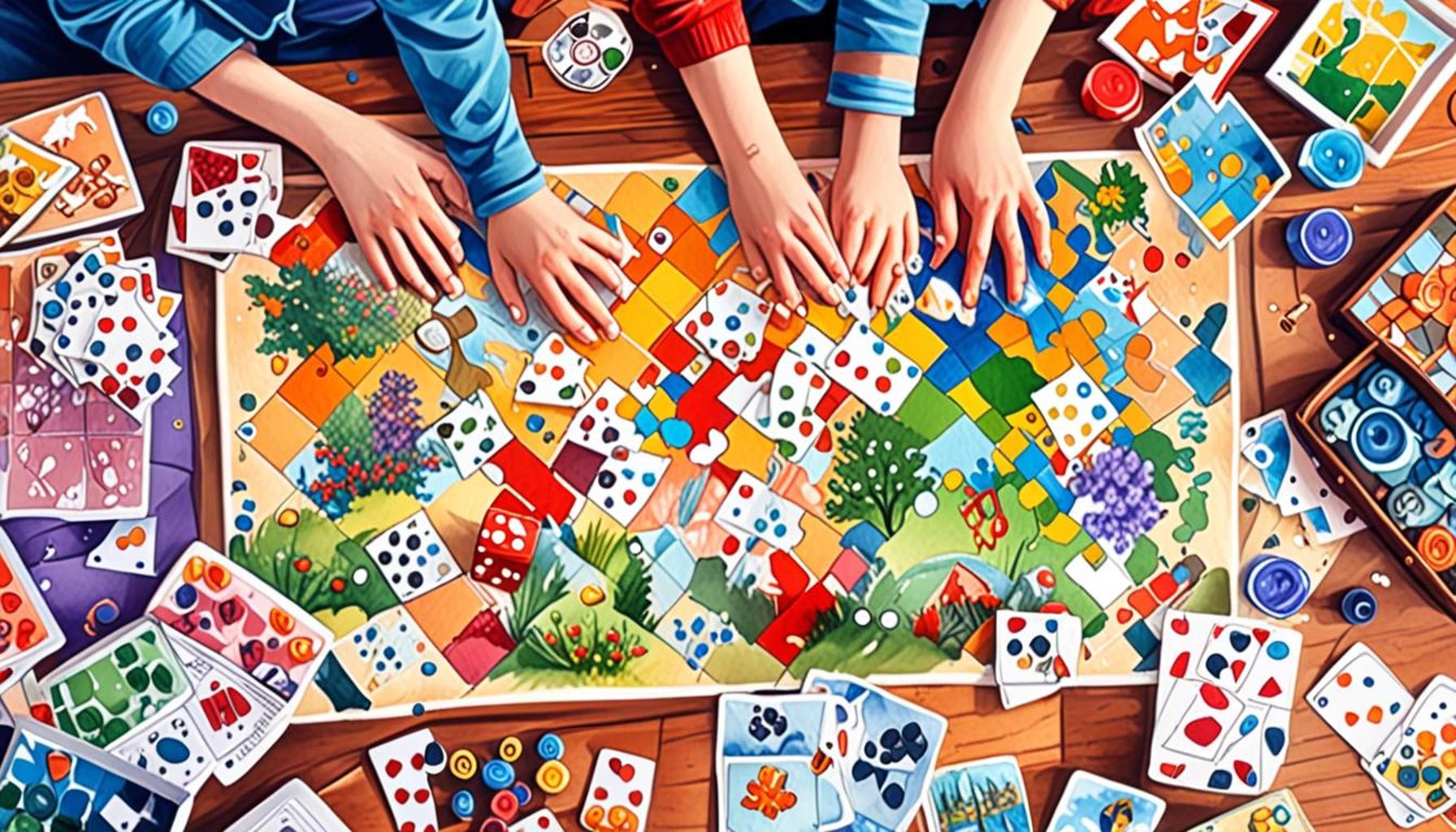
Interestingly, one effective yet often overlooked avenue for cultivating resilience lies in the realm of board games and puzzles. These engaging activities do more than provide entertainment; they offer a structured way to develop critical life skills. Through game play, individuals can hone their cognitive and emotional abilities while enjoying themselves with others.
Cognitive Development
Board games and puzzles sharpen critical thinking and problem-solving skills. Games like chess and Scrabble challenge players to strategize and anticipate opponents’ moves. Such activities enhance mental agility while fostering a sense of accomplishment when overcoming complex challenges. Furthermore, puzzles, such as jigsaw puzzles or brain teasers, stimulate cognitive functions, providing opportunities for cognitive growth and resilience as individuals learn to navigate difficulties through trial and error.
Social Interaction
Another crucial benefit of these activities is the promotion of social interaction. Many board games encourage teamwork and open communication, allowing players to collaborate and build relationships. Games like Catan or cooperative games such as Pandemic require players to work together towards a common goal, thereby enhancing their ability to communicate effectively and resolve conflicts. This teamwork fosters a supportive dynamic, which is critical for emotional resilience.
Stress Relief
Moreover, engaging in board games and puzzles offers significant stress relief. The immersive nature of games allows players to temporarily escape life’s pressures, providing a much-needed outlet for relaxation. Scientific studies support this notion, indicating that leisure activities can lower cortisol levels and improve overall mood. Incorporating a game night into your week can not only provide fun but also a healthy buffer against the stresses of modern life.
Embracing Failure and Learning
Perhaps the most profound aspect of playing games and solving puzzles is the opportunity they present to face failure in a safe environment. Losing a game or struggling with a puzzle can be frustrating, yet these experiences become invaluable lessons in perseverance, patience, and self-regulation. Research indicates that individuals who encounter obstacles in a playful context are more likely to develop coping strategies that can be applied in real-life situations.
In conclusion, integrating board games and puzzles into daily routines can create a nurturing environment for emotional growth. By actively participating in these activities, individuals can enhance their emotional resilience, improve interpersonal relationships, and enjoy the numerous benefits of cognitive and emotional development. So, gather around the table, pick the game that excites you the most, and turn the experience into a journey of discovery and growth! Your emotional core deserves the strength that comes from both play and connection.
DISCOVER MORE: Click here to dive deeper
Building Skills for Life
Engaging with board games and puzzles is far more than just a pastime; it is a dynamic way to equip oneself with essential life skills that forge emotional resilience. At their core, these activities mimic real-life challenges where individuals must adapt, think critically, and work collaboratively. This multilayered approach fosters a sense of agency and helps players cultivate skills that are directly transferable to various facets of adult life.
Strategic Thinking and Planning
Many board games, like Monopoly or Risk, require players to plan their moves several steps ahead, analyze their opponents’ strategies, and make calculated decisions. This process sharpens strategic thinking and teaches participants to foresee the consequences of their choices. Furthermore, players must often pivot and adjust their tactics based on the evolving dynamics of the game, mirroring the adaptability needed in real-world scenarios. Research shows that regularly engaging in these activities enhances cognitive skills that are crucial in both personal and professional contexts.
Problem-Solving Under Pressure
Puzzles, such as crosswords or Sudoku, invite individuals to tackle challenges that require concentration and creativity. As players work through these problems, they learn to remain calm under pressure and manage frustration. This resilience-building exercise is particularly valuable as many of life’s challenges come without clear solutions. Engaging in puzzles has been linked to improved analytical skills and perseverance, which translate into the ability to cope effectively with stressors in daily life.
Life Lessons from Competition
Participation in board games often involves a competitive element, which can impart vital lessons about winning and losing gracefully. The experience of competing in games like Settlers of Catan or Uno teaches individuals to handle defeat with dignity and view losses as opportunities for growth. In fact, studies suggest that children who play competitive games develop a healthier attitude towards failure, recognizing it as a stepping stone to success rather than a setback. Such perspectives can profoundly impact one’s approach to challenges outside the gaming realm.
Key Benefits of Board Games and Puzzles
- Enhanced Cognitive Skills: Boosts critical thinking, reasoning, and observational skills.
- Strengthened Emotional Regulation: Provides a framework for managing emotions in high-stakes settings.
- Fostering Relationships: Encourages collaboration and teamwork in a playful atmosphere.
- Building Confidence: Supports self-efficacy through the achievement of game objectives.
- Developing Patience: Cultivates a sense of peace as players learn to wait their turn and enjoy the process.
The magic of board games and puzzles extends beyond mere enjoyment; they serve as tools for self-improvement and emotional fortitude. By embracing the challenges presented in these formats, individuals of all ages can develop a richer understanding of themselves and others, leading to stronger emotional resilience.
Uncovering Emotional Growth Through Interactive Play
As we delve deeper into the concept of Developing Emotional Resilience Through Board Games and Puzzles, it is essential to recognize how these engaging activities foster personal growth and emotional health. Board games and puzzles are not merely pastimes; they serve as powerful tools for cultivating emotional resilience in individuals of all ages. These platforms encourage critical thinking, problem-solving, and collaboration, which are vital aspects of emotional intelligence. When players confront challenges within a game, they learn to navigate their feelings, manage stress, and develop coping strategies. This interactive environment allows participants to make mistakes in a safe space, promoting a growth mindset that is essential for emotional resilience.Moreover, the social aspect of board games enhances communication skills and builds connections among players. Whether through cooperative games where teamwork is crucial or competitive games that teach healthy rivalry, players regularly engage with their emotions and those of others, leading to increased empathy and understanding. In addition, puzzles, which require focus and patience, help individuals develop a sense of accomplishment when completed. This satisfaction strengthens self-esteem and encourages a positive outlook toward challenges outside of the gaming environment. The combination of these elements creates a rich tapestry of experiences that ultimately leads to improved emotional health.
To illustrate these advantages further, consider the following table:
| Category | Benefits |
|---|---|
| Social Interaction | Fosters communication and empathy, making players more aware of their emotions and the feelings of others. |
| Cognitive Development | Enhances problem-solving skills and critical thinking, providing players with tools to face real-life challenges. |
Through these examples, it is clear that incorporating board games and puzzles into daily routines is not only enjoyable but also essential for building emotional resilience. The profound benefits of such activities extend beyond mere entertainment, impacting emotional health and overall well-being.
DIVE DEEPER: Click here to discover more
Nurturing Emotional Intelligence
The world of board games and puzzles offers a unique environment where players can enhance their emotional intelligence—a crucial component of emotional resilience. Emotional intelligence encompasses the ability to recognize, understand, and manage one’s own emotions, as well as the capacity to empathize with others. Engaging in these activities frequently places individuals in situations where they must navigate their feelings and the feelings of those around them.
Empathy through Role-Playing
Many board games, particularly those designed for storytelling and role-playing, such as Dungeons & Dragons or Gloomhaven, require players to step into the shoes of different characters. This immersive experience fosters empathy as individuals explore diverse perspectives and confront various emotional scenarios. Such role-playing is not just an entertaining diversion; studies have indicated that these experiences can lead to improved ability in understanding emotions in real life. Engaging in fictional disputes, alliances, and moral dilemmas teaches players how to navigate complex social dynamics, making them more adaptable and emotionally aware.
Communication Skills Development
Board games and puzzles often require effective communication among players. Games like Taboo or Codenames demand that players convey thoughts, negotiate strategies, and collaborate to achieve common goals. Through this process, individuals learn to articulate their emotions and intentions clearly while also honing their ability to listen actively. These skills are invaluable in daily life—strengthening personal relationships, enhancing teamwork in a professional setting, and even reducing conflict in high-pressure situations. Research shows that individuals who effectively communicate are better equipped to manage their emotions and relate positively to others.
Resilience Through Team Challenges
Cooperative board games, such as Pandemic or The Crew, elevate the experience from mere competition to a collective mission. Players work together to overcome obstacles, requiring them to support one another emotionally while also strategizing as a unit. This shared experience promotes a sense of community and belonging, which is essential for developing resilience. When players face challenges as a team, they learn that they are not alone in their struggles, which reinforces their capacity to cope with difficulties both in and out of game contexts.
The Neuroscience Behind Games and Puzzles
Engaging with puzzles has been shown to change the brain’s structure and improve function over time. A study published in the journal Nature found that engaging in complex problem-solving can increase the growth of neurons in the hippocampus—an area of the brain associated with emotion and memory. This neurological development underlines the importance of board games and puzzles in not only enhancing cognitive skills but also fortifying one’s emotional fortitude. Moreover, the satisfaction derived from solving puzzles or succeeding in board games releases dopamine, a neurotransmitter associated with feelings of pleasure and motivation, further reinforcing positivity in emotional regulation.
Real-Life Application and Social Connections
- Strengthening Community Bonds: Playing board games fosters connections with family and friends, creating a support network that is vital for emotional resilience.
- Skill Transferability: The emotional and cognitive skills developed through gaming can be directly applied to workplace dynamics and interpersonal relationships.
- Accessible Learning: Board games and puzzles are easily accessible and can be used as effective emotional learning tools for individuals of all ages.
Through the measured engagement in board games and puzzles, individuals can learn to navigate their emotions and develop a robust emotional resilience that benefits every aspect of their lives.
DON’T MISS OUT: Click here to learn more!
Conclusion: Playing for Resilience
In today’s fast-paced world, the need for emotional resilience has never been more critical. Engaging in board games and puzzles provides a remarkable avenue for individuals to cultivate this resilience. Through the immersive experiences offered by storytelling games, players enhance their emotional intelligence and develop vital skills such as empathy, effective communication, and teamwork. As players tackle challenges together, they foster a sense of community that reinforces the understanding that they are not alone in their struggles.
Moreover, as evidenced by neuroscience research, these activities can positively impact brain function and emotional regulation by enhancing neuroplasticity. This means that playing board games and puzzles not only sharpens the mind but also fortifies one’s emotional well-being, creating a kinder and more supportive environment for personal growth.
The social connections forged during these gaming experiences contribute to strengthening community ties, which serve as an essential support network. By integrating gaming into our routines, we access a treasure trove of opportunities to learn, grow, and develop the emotional resilience required to navigate the complexities of modern life. Hence, whether it’s a friendly game night or a solitary puzzle challenge, investing time in these activities can be a powerful strategy for personal development and emotional health.
Open the door to emotional resilience today—pick up a board game or a puzzle, and start reaping the benefits that play can bring. The journey to greater emotional strength and insight begins with a simple roll of the dice or a piece fitting perfectly into place.