Mindfulness Strategies in Card Games to Enhance Concentration and Memory
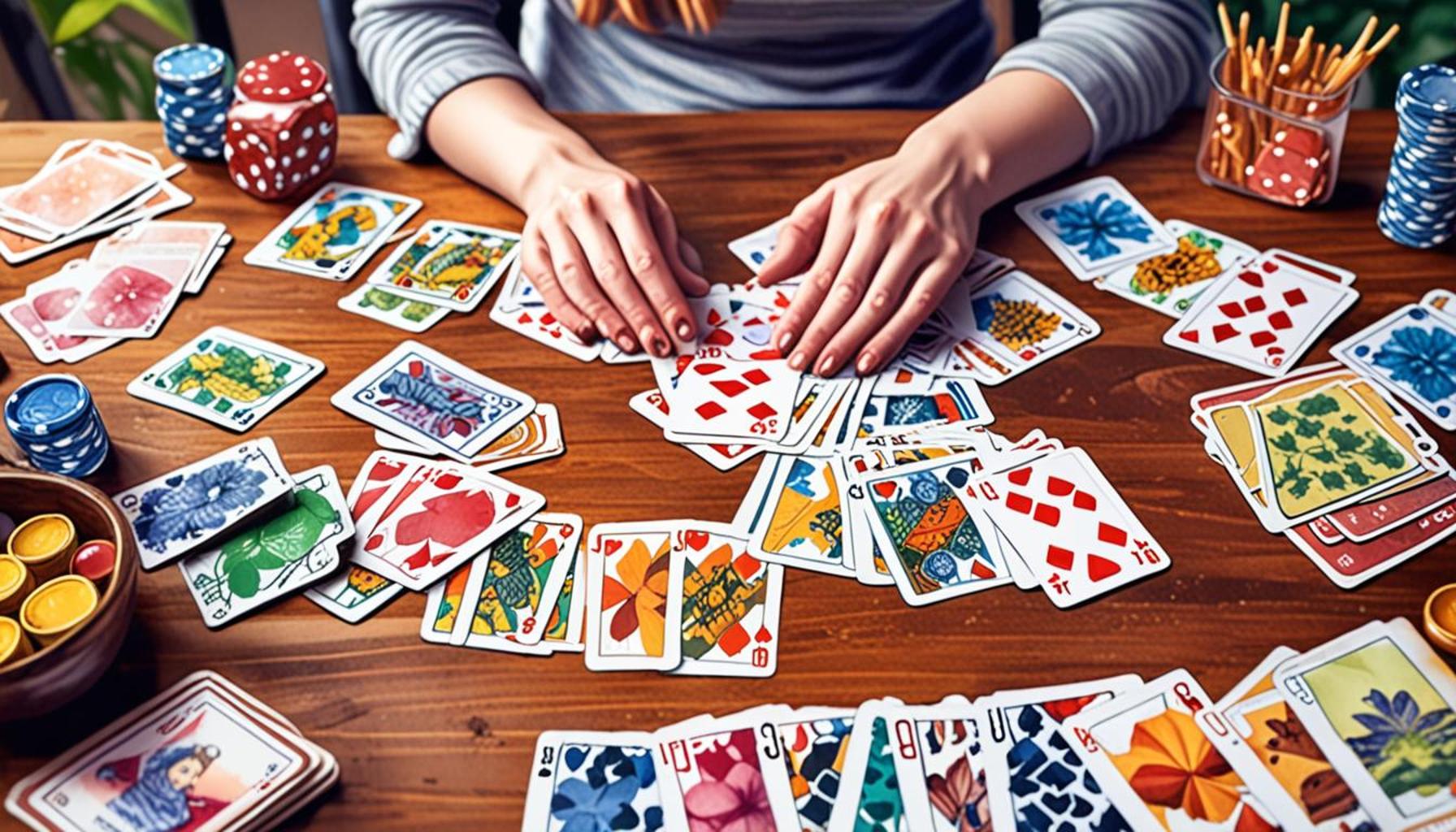
The Transformative Impact of Mindfulness on Card Game Skills
Card games, often seen as simple pastimes, open up a world of cognitive benefits when infused with mindfulness practices. These games not only entertain but also serve as effective tools for enhancing concentration and memory. By actively engaging in mindfulness, players can elevate their gaming experience from mere enjoyment to a profound exercise in mental acuity.
One of the most significant advantages of employing mindfulness in card games is improved focus. When players are fully present, they eliminate distractions, allowing for a clearer understanding of the game dynamics. This heightened level of attention enables players to absorb details, such as the nuances of opponents’ behaviors and playing styles. For example, a poker player who practices mindfulness might notice the subtle gestures or expressions of bluffing, enhancing their strategic responses during play.
Another powerful benefit is memory retention. Greater mindfulness leads to better engagement with the game, which is crucial when remembering complex strategies or tracking the cards that have already been played. A study conducted by cognitive psychologists found that individuals who practiced mindfulness showed significant improvements in their working memory tasks. This translates directly into card games where remembering previous moves—including opponents’ discards in games like Gin Rummy or Bridge—can be pivotal for victory.
Furthermore, players often encounter moments of high pressure that can lead to stress and anxiety. Integrating mindfulness techniques can facilitate stress reduction. Techniques like controlled breathing or visualization can ground players, creating a sense of calmness that sharpens their decision-making abilities. Instead of succumbing to the pressure of a tournament final, a mindful player can stay composed, allowing for clearer thinking and strategic planning.
These advantages are accessible to all card enthusiasts, regardless of experience level. Beginners just learning the rules of Blackjack or veterans engaged in high-stakes tournaments can both benefit from implementing mindfulness practices. By doing so, participants not only improve their game performance but also experience greater enjoyment and connection during play.

This article will delve deeper into various mindfulness techniques tailored specifically for card gaming. Techniques such as mindful breathing, focusing on the present moment, and utilizing visualization strategies will be explored to help players unlock their potential. With these tools, players can accelerate their card game skills while also enriching their overall mental well-being.
DIVE DEEPER: Click here to discover how logic games can enhance your focus
Connecting Mindfulness to Game Performance
As card games often require strategic thinking and the ability to anticipate opponents’ moves, integrating mindfulness strategies becomes an essential practice that can significantly enhance performance. One of the most recognized approaches is mindful breathing. This technique focuses on regulating breath to help calm the mind and eliminate distractions. When players dedicate just a few moments to this practice before or during a game, they often find that their cognitive functions, such as concentration and memory, are notably improved. Several professional gamers have reported that implementing mindful breathing not only helps them focus better but also aids in retaining critical game information, making it easier to strategize against their opponents.
Mindful breathing is just one facet of a broader range of techniques. Another useful strategy involves creating mental anchors. This method encourages players to visualize a specific point in the game where attention can return whenever distractions arise. For example, a player might focus on the color of the cards they are holding or the texture of the playing surface. By consciously returning attention to these anchors, players can swiftly regain focus, allowing them to better track card movements and opponents’ reactions throughout the game.
A practical way to implement mindfulness in card games is through the practice of focused observation. This strategy involves paying close attention to not only one’s own cards but also the dynamics taking place around the table. Players are encouraged to observe gestures, shifts in body language, and subtle changes in facial expressions of their opponents. By engaging in this practice, players can gather essential information, greatly enhancing their capacity to remember patterns and make informed decisions. For those familiar with games like Poker, where reading bluffs can mean the difference between winning or losing, focused observation becomes a pivotal skill.
Moreover, incorporating visualization techniques provides another layer to the mindfulness approach. Players can take a few minutes to visualize successful outcomes or ideal strategies before engaging in the game. This not only enhances concentration but can serve to boost confidence, allowing players to face the game with a strong, positive mindset. Research shows that mental imagery can strengthen memory and improve performance, which can be particularly beneficial in intense competitive environments.
To summarize the mindfulness techniques that can enhance concentration and memory in card games, consider the following:
- Mindful Breathing: Regulating breath to maintain calmness and focus.
- Mental Anchors: Creating focal points to return attention during gameplay.
- Focused Observation: Engaging with opponents’ behaviors to inform strategy.
- Visualization Techniques: Imagining successful outcomes to boost confidence and performance.
Overall, by embedding these mindfulness strategies into their card game routines, players can not only bolster their concentration and memory but can also cultivate a deeper, more enjoyable gaming experience. Let’s delve deeper into specific practices that emphasize these strategies and how they can be seamlessly integrated into various card games.
| Advantage | Description |
|---|---|
| Promotes Focus | Engaging in card games requires heightened concentration, which can help improve focus over time, benefiting daily tasks. |
| Enhances Memory Skills | Regular card play stimulates the memory centers of the brain, enabling players to retain information and recall details better. |
Mindfulness strategies in card games are not merely about winning; they create spaces where participants can immerse themselves fully in the present moment. By concentrating on the cards played and strategies employed, players can practice meditative focus that extends its benefits beyond the game. Through repeated gameplay, individuals often notice an enhanced ability to remember not only moves from the game but also details from other aspects of life. This mindfulness practice transforms simple gameplay into a robust mental exercise, making it a fascinating topic of exploration for those looking to enhance their cognitive skills. Engaging with friends or family while playing card games also fosters social interaction, further amplifying the benefits of combining mindfulness practices with concentration and memory improvements.
DISCOVER MORE: Click here to learn how strategy games can help you stay calm
Practical Techniques for Enhanced Gameplay
As players immerse themselves in the world of card games, the application of mindfulness strategies can become increasingly sophisticated. Implementing these techniques not only improves game performance but also fosters a sense of enjoyment in the competitive landscape. One effective method is progressive muscle relaxation. This strategy involves systematically tensing and relaxing different muscle groups in sequential order. By combining this technique with breath control, players can reduce physical tension and enhance cognitive function, providing a clear mental space for gameplay. Used effectively before a game, this can lead to improved focus and memory retention throughout the session.
Additionally, another notable technique is body awareness practice. This practice encourages players to become attuned to their own physical sensations, such as posture, tension, and even the heartbeat during high-stakes moments in a game. By developing greater body awareness, players can recognize when anxiety or stress creeps in, allowing them to employ mindful breathing or visualization techniques to regain composure. This heightened self-awareness can help improve decision-making during critical moments, a necessity in competitive environments. For instance, in games like Blackjack or Texas Hold’em, where the stakes can change drastically in a single hand, maintaining a calm and collected demeanor can significantly influence outcomes.
Furthermore, the concept of mindful listening can be particularly advantageous in card games that involve negotiation or social interaction, such as Bridge or Hearts. Players are often required to communicate effectively with partners and analyze opponents’ reactions. By practicing mindful listening, players develop a deeper understanding of verbal and non-verbal cues, thus enhancing their strategic approach. This method urges players to focus entirely on what is being said, suppressing internal chatter, and promoting a collaborative atmosphere. This can lead to a greater understanding of gameplay dynamics and improved communication during critical gameplay moments.
Moreover, the importance of establishing a routine cannot be overstressed. Players who create a consistent pre-game routine that incorporates mindfulness practices tend to find a greater sense of calm and readiness as they enter the arena. This can involve a combination of mindful breathing, visualization, and progressive muscle relaxation tailored to the individual. Institutes such as the Mindful Gaming School highlight the effectiveness of these routines, demonstrating that players who maintain a structured approach to their pre-game preparations often outperform their less organized counterparts.
To further reinforce the cumulative benefits of these mindfulness strategies, players should also recognize the impact of reflection and journaling. Taking time to reflect on past games and writing down thoughts and feelings can help players process their experiences, identify areas for improvement, and track how mindfulness methods have enhanced their performance. By cultivating this habit, players not only reinforce their learning but also develop a greater appreciation for the nuances of card games. Research supports that reflective practices can improve both memory retention and strategic insights, setting a solid foundation for future successes.
- Progressive Muscle Relaxation: Sequentially tensing and relaxing muscle groups to reduce tension.
- Body Awareness Practice: Being attuned to physical sensations to manage anxiety and stress.
- Mindful Listening: Focusing on verbal and non-verbal communication to enhance strategy.
- Establishing a Routine: Creating consistent pre-game rituals to promote calmness and readiness.
- Reflection and Journaling: Documenting experiences to enhance learning and identify improvement areas.
By weaving these practical techniques seamlessly into their gaming regimen, players can experience profound changes in their concentration and memory performance while playing card games. These mindfulness strategies not only support a better understanding of the game but also enrich the overall experience of playing against friends or competitors alike. As such, players should embrace and adapt these techniques to discover what resonates best with their individual gaming style.
DIVE DEEPER: Click here to uncover more strategies
Unlocking the Potential of Mindfulness in Card Games
In conclusion, the integration of mindfulness strategies into card game practices offers a versatile toolkit for players seeking to enhance their concentration and memory. By consciously employing techniques like progressive muscle relaxation, body awareness practice, and mindful listening, players can significantly elevate their gameplay experience. These methods not only promote mental clarity but also foster a more profound connection between players, enhancing the social dynamics that make card games enjoyable.
Furthermore, the establishment of personalized pre-game routines and the practice of reflection and journaling enable players to cultivate a deeper understanding of their performance, paving the way for continuous improvement. As players engage with these mindfulness practices, they will likely find themselves better equipped to navigate the often unpredictable nature of card games, transforming high-pressure situations into opportunities for elevated performance.
Ultimately, diving into the world of mindfulness not only enhances effectiveness during gameplay but also adds a layer of satisfaction and engagement to the overall experience. As you explore these techniques, consider how they align with your unique playing style, and allow yourself the grace to experiment and adapt. The journey towards a mindful approach in card games is as rewarding as the game itself, nurturing skills that extend beyond the table and into everyday life.