How to Integrate Physical Activity into Daily Routine for a Balanced Lifestyle

Why Movement Matters More Than You Think
Only 24% of American adults meet the federal guidelines for aerobic and muscle-strengthening activity, according to the CDC. Yet the solution isn’t necessarily hour-long gym sessions or expensive equipment.
The real secret lies in learning how to integrate physical activity into moments you already experience every day, from morning coffee to evening screen time.
The Hidden Cost of a Sedentary Lifestyle
Modern life is designed for stillness. Desk jobs, streaming services, and food delivery apps have quietly erased the natural movement our bodies once relied on. The average American now spends more than 9.5 hours a day sitting, whether commuting, working, or unwinding on the couch after a long shift.
This shift comes with measurable consequences, including:
- Increased risk of cardiovascular disease and type 2 diabetes
- Higher rates of anxiety and reported stress
- Poor sleep quality and reduced energy levels
- Accelerated muscle loss, especially after age 40
What makes this trend particularly alarming is how invisible it feels. Nobody consciously decides to move less; it simply happens as conveniences multiply. Grocery delivery replaces the walk to the store, video calls replace in-person meetings, and remote controls replace the need to even stand up.
Small Changes, Measurable Results
The good news? You don’t need a total lifestyle overhaul to see the health benefits of physical activity. Simple ways to be active—like taking the stairs, walking during phone calls, or stretching between tasks—can add up significantly over the course of a week.
Research shows that even short bursts of movement throughout the day can improve metabolism and mental clarity, rivaling the benefits of a single structured workout. A study published in the journal Sports Medicine found that breaking up sitting time with just two to five minutes of light activity every half hour improved blood sugar regulation and reduced fatigue markers in participants.
This concept, often called “exercise snacking,” is gaining traction among health professionals who recognize that consistency matters more than intensity. Parking farther from the entrance, pacing during a conference call, or doing a quick set of squats while waiting for coffee to brew are all small deposits into a larger health account.
In this guide, we’ll explore practical activity integration strategies and daily routine exercise ideas designed for real schedules, not perfect ones. These aren’t rigid fitness plans; they’re adaptable habits that fit into the chaos of everyday American life.
Whether you’re a busy parent juggling school drop-offs, a remote worker glued to back-to-back meetings, or someone simply looking for balanced lifestyle tips, these approaches are built for sustainability, not sacrifice. The goal isn’t perfection, it’s progress measured in minutes, not hours.
SEE ALSO: The importance of regular physical activity in mental health and emotional well-being
# How to Integrate Physical Activity into Daily Routine for a Balanced Lifestyle
Mapping Your Day for Movement Opportunities
Before you can integrate physical activity into your schedule, you need to see where the gaps actually are. Most people underestimate how much idle time exists between obligations, minutes lost to waiting rooms, buffering screens, or scrolling before bed.
A simple audit works better than guesswork. For one full day, jot down every transition point: waking up, commuting, waiting for meetings to start, lunch breaks, and evening downtime. These transitions are where activity integration strategies quietly take root.
Researchers who study behavioral patterns often point out that Americans spend an average of six to eight hours a day sitting, whether at a desk, in a car, or on a couch. That number alone explains why health officials keep pushing the message that movement needs to be woven into ordinary moments rather than reserved for a single workout session.
The Morning Window: An Underused Resource
Mornings offer a surprisingly flexible runway before the day’s demands take over. According to sleep and behavior researchers, habits formed in the first hour after waking are more likely to stick because willpower hasn’t yet been depleted by decisions.
Consider these daily routine exercise additions that require no special equipment:
- A five-minute stretching sequence before checking your phone
- Walking the dog for ten extra minutes instead of the usual quick loop
- Doing bodyweight squats while the coffee maker runs
- Taking a brisk walk around the block during the first work email check
None of these require a gym membership or a spare hour. They simply reposition movement as a default, not an afterthought.
Fitness professionals in cities like Denver and Portland have noted a rising trend of “micro-workouts,” short bursts of activity squeezed into transitional minutes rather than a single continuous session. Some wellness apps now track these fragments throughout the day, revealing that ten-minute bursts, when added up, often rival the benefits of a traditional thirty-minute workout. The appeal lies in accessibility: no equipment, no membership fees, and no need to carve out a dedicated hour that competes with work or family obligations.
Workday Hours: Where Sedentary Habits Take Hold
For the roughly 128 million Americans working desk jobs, the workday is often the biggest obstacle to staying active. Back-to-back meetings and inbox overload can make hours vanish without a single steps taken.
Yet this block of time holds the most potential for simple ways to be active. Standing during phone calls, choosing stairs over elevators, or scheduling short walking meetings can offset hours of stillness without disrupting productivity.
Some companies are catching on. Firms in cities like Seattle and Austin have started installing treadmill desks and walking paths around office campuses, responding to employee demand for built-in movement rather than separate workout time. Human resources departments at several tech firms have even reported that employees who take short walking breaks return to their desks with sharper focus, a detail that has caught the attention of productivity researchers eager to measure the connection between movement and mental clarity.
Lunch breaks present another overlooked opportunity. Instead of eating at a desk while scrolling through emails, workers in many metropolitan areas have started forming informal walking clubs, using the thirty or so minutes to cover a mile or two around nearby parks or city blocks. This habit, small as it seems, contributes meaningfully to the recommended 150 minutes of moderate activity per week that health authorities encourage.
The takeaway is clear: the workday doesn’t have to be sacrificed for the sake of the to-do list. With intentional structuring, movement and productivity can coexist, setting the stage for the deeper strategies explored next.
SEE ALSO: The Importance of Regular Physical Activity in the Prevention of Chronic Diseases
Evenings, Weekends, and the Social Side of Staying Active
As the workday winds down, a different set of obstacles emerges. Fatigue sets in, dinner needs making, and screens beckon with the promise of passive relaxation. Yet evenings and weekends hold some of the richest potential to integrate physical activity into a routine that already feels full.
The trick isn’t finding more hours. It’s reshaping existing ones. A family that normally watches television after dinner might swap one episode for a neighborhood walk. A weekend spent running errands by car could instead include a bike ride to the farmers market, turning a chore into daily routine exercise without feeling like an added task.
Turning Chores Into Calorie-Burning Opportunities
Household tasks are often dismissed as unrelated to fitness, but researchers tracking energy expenditure disagree. Vacuuming, raking leaves, scrubbing floors, and gardening all elevate heart rate more than most people assume.
According to data compiled by exercise physiologists, thirty minutes of vigorous yard work can burn roughly 150 to 200 calories, comparable to a brisk walk. Reframing chores as movement rather than obligation is one of the most underrated activity integration strategies available to busy households.
Consider these examples of chores that double as exercise:
- Mowing the lawn with a push mower instead of a riding one
- Washing the car by hand rather than using a drive-through service
- Carrying groceries in multiple smaller trips instead of one heavy haul
- Sweeping the driveway or patio with brisk, continuous strokes
The Power of Social Accountability
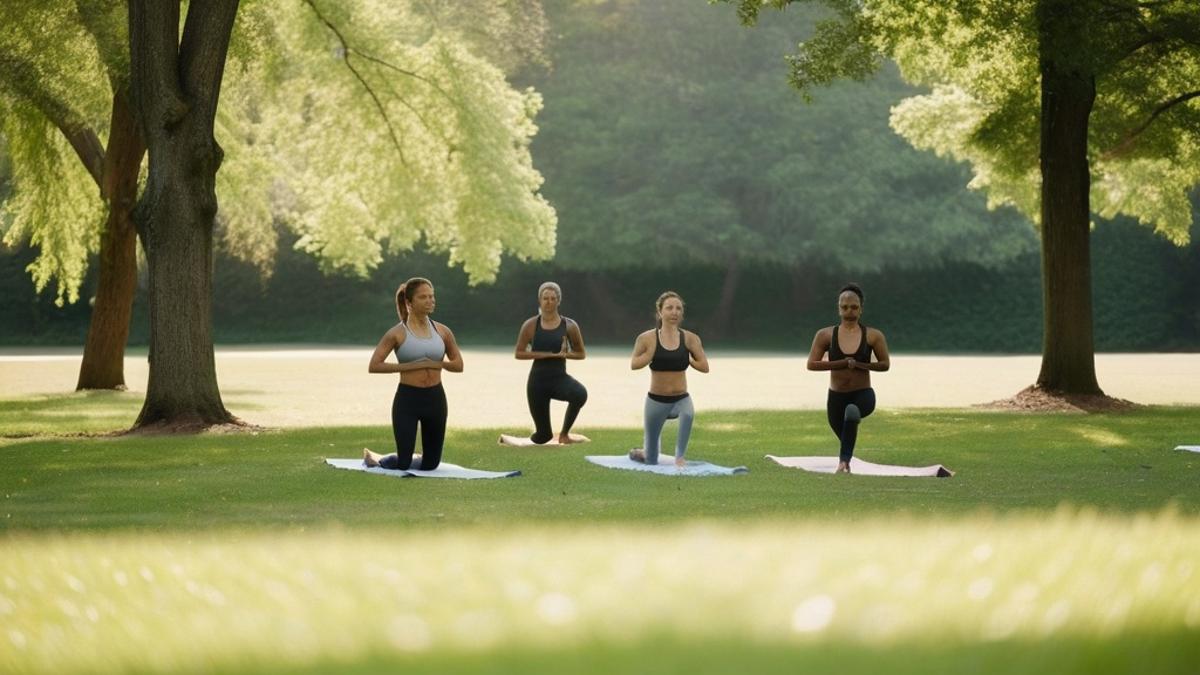
Movement tends to stick when it’s shared. Fitness instructors across the country, from community centers in Chicago to running clubs in Miami, report that participants who exercise alongside friends or family are significantly more likely to maintain consistency compared to those going it alone.
Weekend sports leagues, recreational cycling groups, and neighborhood walking clubs have surged in popularity in recent years, partly because they merge socializing with simple ways to be active. Some cities have even seen a rise in “sober social” fitness meetups, where the appeal lies in shared movement rather than food or drink as the centerpiece of gathering.
Public health experts frequently cite this social dimension when discussing the broader health benefits of physical activity. Beyond cardiovascular improvements, group-based movement has been linked to reduced feelings of isolation and better long-term adherence to exercise habits.
Weekend Adventures as a Reset
Weekends offer larger blocks of uninterrupted time, ideal for activities that wouldn’t fit into a weekday schedule. Hiking trails near cities like Denver, Asheville, and Sacramento see notable upticks in weekend foot traffic, reflecting a broader shift toward outdoor recreation as a form of intentional movement.
Kayaking, rock climbing, and even long bike rides fall outside the category of routine exercise, yet they contribute meaningfully to overall fitness while offering mental restoration that structured gym sessions rarely replicate. These outings serve as practical balanced lifestyle tips that blend adventure with physical benefit, making movement feel less like a task and more like a reward.
LEARN MORE: Physical Activity and Mental Health: Psychological Benefits of Movement
Small Shifts, Lasting Momentum
The evidence gathered throughout this discussion points to a simple truth: movement doesn’t require a dramatic overhaul of daily life. It requires attention to the pockets of time already available, whether that’s a morning commute, a lunch break, or a Saturday afternoon.
Across every example, from stair climbing to weekend hikes near Denver, the common denominator is intention. People who successfully integrate physical activity into their lives rarely rely on willpower alone. They redesign environments, routines, and social circles so that movement becomes the default rather than the exception.
Rethinking What Counts as Exercise
One of the most valuable takeaways is that daily routine exercise doesn’t have to look like a gym session. Vacuuming a living room, biking to a farmers market, or joining a neighborhood walking group all contribute to measurable health outcomes.
This broader definition matters because it removes the all-or-nothing mindset that discourages so many Americans from starting at all. The Centers for Disease Control and Prevention continues to emphasize that consistency, not intensity, drives most of the long-term health benefits of physical activity, including improved cardiovascular function and better mental resilience.
Building a Framework, Not a Rulebook
Sustainable change tends to come from systems rather than sporadic bursts of motivation. Preparing workout clothes the night before, scheduling walking meetings, or choosing a bike over a car for short errands are all activity integration strategies that reduce friction and decision fatigue.
These are not rigid prescriptions. They’re adaptable starting points, proof that simple ways to be active can fit into households with wildly different schedules, from shift workers to remote employees to retirees.
Ultimately, a balanced lifestyle isn’t built in a single afternoon. It’s assembled gradually, through choices that accumulate week after week. Readers looking for practical balanced lifestyle tips might start with just one change this week, a walk after dinner, a household chore reframed as exercise, and let momentum build from there. The path forward isn’t about perfection; it’s about motion, repeated often enough to become second nature.
Frequently Asked Questions
How can I integrate physical activity into a busy work schedule?
Try breaking up your day with short 5-10 minute movement breaks, such as walking during phone calls or taking the stairs instead of the elevator. Scheduling workouts like calendar appointments, even 15-20 minutes before or after work, helps make exercise a non-negotiable habit. Bodyweight exercises at your desk during breaks are another easy way to stay active without needing extra time.
What is the best way to integrate physical activity if I have no time for the gym?
You don’t need a gym to integrate physical activity into your day; focus on functional movement like walking to nearby errands, cycling to work, or doing a quick 10-minute bodyweight circuit at home. Household chores like vacuuming or gardening also count as moderate activity and add up over the week. The key is consistency with small bursts of movement rather than long, infrequent sessions.
How many minutes of physical activity should I aim for daily to maintain balance?
The CDC recommends at least 150 minutes of moderate-intensity activity per week, which breaks down to about 21-22 minutes a day. This can be split into shorter sessions, such as three 10-minute walks, making it easier to integrate physical activity without feeling overwhelmed. Adding two days of strength training weekly further supports a balanced, sustainable routine.
How do I stay motivated to integrate physical activity into my daily routine long-term?
Pairing exercise with habits you already enjoy, like listening to a favorite podcast during a walk, makes it easier to stick with over time. Tracking progress with a fitness app or journal provides visible proof of improvement, which boosts motivation. Setting small, realistic goals and celebrating consistency rather than perfection helps turn physical activity into a lasting daily habit.

Linda Carter
Linda Carter is a writer specializing in healthy habits and balanced living. With extensive experience helping readers build sustainable routines, she shares practical guidance on nutrition, physical activity, quality sleep, stress management, and emotional well-being. Her goal is to offer simple, accessible strategies that inspire people to care for their health and enjoy a more balanced life.