How to integrate physical exercises into a busy routine

Finding Time to Move When Life Gets in the Way
Between back-to-back meetings, school pickups, and a never-ending inbox, exercise often lands at the bottom of the to-do list. Yet skipping it comes with a cost: the CDC reports that only 24% of American adults meet the recommended weekly activity guidelines. That statistic isn’t just a number on a government website — it reflects millions of people across the country trading movement for productivity, often without realizing the long-term trade-off they’re making.
The good news? You don’t need an hour at the gym to see results. Learning how to integrate physical exercises into daily life is less about willpower and more about strategy. It’s about rethinking the pockets of time already built into your day rather than searching for extra hours that simply don’t exist.
Why This Matters More Than Ever
Sedentary jobs, long commutes, and digital distractions have reshaped how Americans move. The average U.S. worker spends roughly nine hours a day sitting, whether at a desk, in traffic, or scrolling through a smartphone. Chronic sitting has been linked to increased risk of heart disease, weight gain, and even reduced mental clarity, according to multiple studies published in journals like the American Journal of Epidemiology.
That’s where smart time management for fitness comes in. Small, consistent actions often outperform sporadic, intense workouts squeezed in once a week. Research from the Mayo Clinic suggests that short bursts of activity throughout the day can be just as effective for cardiovascular health as a single continuous session.
- Quick workouts for tight schedules — 10-minute bursts that fit between tasks, like squats during a coffee break or lunges while waiting for the microwave
- Exercise tips for busy people — turning commutes, calls, and chores into movement opportunities, such as parking farther away or pacing during phone calls
- Fitness routine for busy lifestyles — building habits that stick, even on chaotic weeks, by anchoring movement to existing routines
This article breaks down practical, research-backed methods on how to stay fit with a busy schedule. No extreme overhauls, just realistic adjustments designed for real life in America’s fast-paced culture.
Ready to discover how a few strategic minutes a day can transform your energy, focus, and health? Let’s dive in and explore what science and everyday experience reveal about making movement inevitable, not optional.
LEARN MORE: The Importance of Regular Physical Activity in the Prevention of Chronic Diseases
Rethinking the Daily Schedule: Where Movement Actually Fits
Most people picture exercise as a scheduled event: a gym session, a class, a run before work. That mindset is exactly why so many Americans give up before they start. To truly integrate physical exercises into a hectic week, the first step is abandoning the idea that movement requires a dedicated block of free time.
Instead, think of your day as a series of transitions — moments between tasks that are usually wasted on scrolling or waiting. These transitions are where time management for fitness becomes less about discipline and more about design.
The Power of Micro-Movement
A 2022 study published in the British Journal of Sports Medicine found that adults who broke up sitting time with movement every 30 minutes had significantly better blood sugar regulation than those who sat for hours uninterrupted. The exercise itself didn’t need to be intense — simply standing, stretching, or walking briefly made a measurable difference.
This is the foundation of any effective fitness routine for busy lifestyles: consistency beats intensity. Instead of one grueling hour, aim for several short, deliberate interruptions to stillness.
- The two-minute rule — set a timer to stand and move for two minutes every half hour during work
- Stair stacking — take the stairs every time the option exists, even if it means walking up just to walk back down
- Desk-adjacent drills — calf raises, seated leg lifts, or wall push-ups done without leaving your workstation
- Errand walking — turning a five-minute drive into a fifteen-minute walk whenever weather and distance allow
None of these require special clothing, equipment, or a shower afterward — which removes the biggest psychological barrier keeping busy professionals from moving at all.
Anchoring Exercise to Existing Habits
Behavioral scientists call it “habit stacking”: attaching a new behavior to one that’s already automatic. Brushing your teeth, brewing coffee, or waiting for a video call to start are all cues that can trigger movement instead of idle waiting.
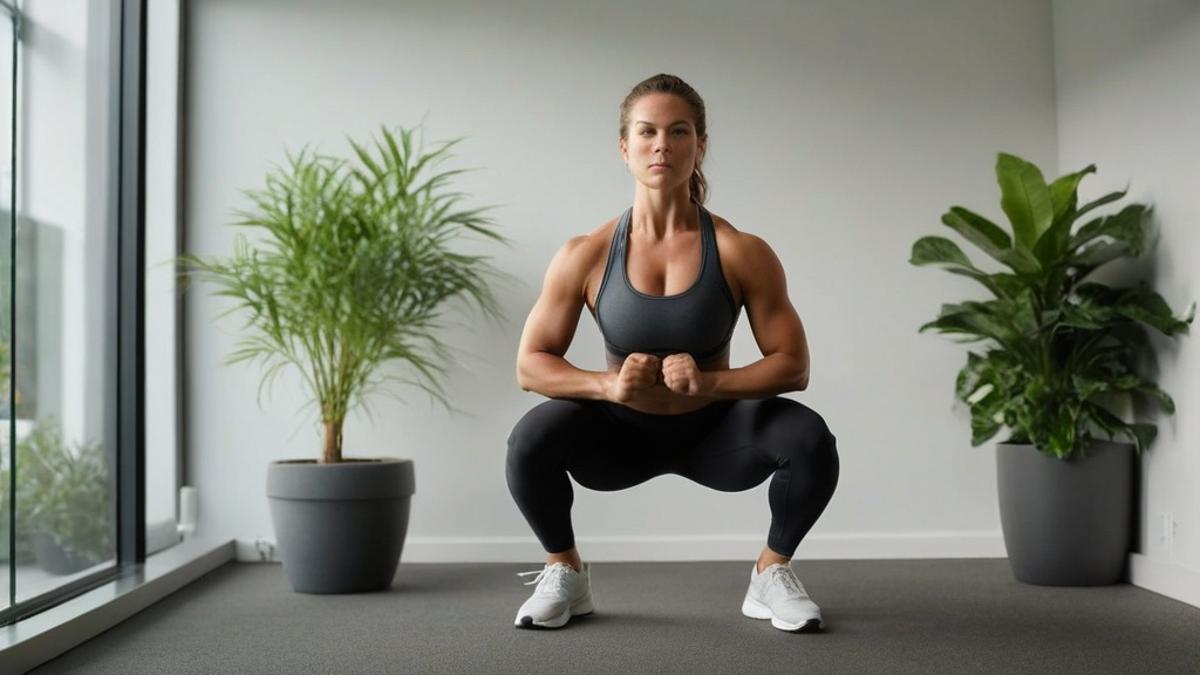
For example, doing calf raises while the coffee maker runs or squats during the two minutes a webpage takes to load turns dead time into quick workouts for tight schedules. It sounds minor, but repeated daily, these moments add up to meaningful activity — often 20 to 30 extra minutes without ever “finding time” in the traditional sense.
This approach also answers one of the most common questions people ask when searching for how to stay fit with a busy schedule: not “when do I exercise,” but “what am I already doing that I could exercise during.”
Key Strategies to Integrate Physical Exercises into a Busy Routine
Finding time to integrate physical exercises into a hectic day doesn’t require a complete lifestyle overhaul. Below is a quick-reference table highlighting practical exercise tips for busy people, along with the benefits each strategy delivers. These quick workouts for tight schedules prove that even small changes can lead to significant health improvements over time.
| Strategy | Benefit |
|---|---|
| Micro-Workouts (5–10 min) | Boosts metabolism without requiring extra time blocks |
| Active Commuting | Improves cardiovascular health through daily walking or cycling |
| Desk-Based Stretches | Reduces stiffness and enhances focus during work hours |
| Scheduled Fitness Blocks | Supports time management for fitness and consistency |
| Weekend Intensity Sessions | Compensates for weekday limitations, ideal for a fitness routine for busy lifestyles |
Each of these approaches demonstrates how to stay fit with a busy schedule without sacrificing productivity. The next sections explore how to customize these strategies based on personal energy levels and daily commitments.
SEE ALSO: The Role of Group Sports in Building Community and Promoting Physical Fitness
Turning Commutes, Meetings, and Errands Into Fitness Opportunities
Once the mental shift happens — realizing exercise doesn’t need a special time slot — the next challenge is spotting the hidden windows already built into a typical American day. Commuting, waiting rooms, lunch breaks, even conference calls all hold potential for movement if you know where to look.
The Commute as a Training Ground
The average American spends nearly 27 minutes commuting one way, according to Census Bureau data. That’s almost an hour daily spent sitting in a car or train that could be partially reclaimed.
Parking at the far end of the lot, biking part of the route, or getting off one transit stop early are small adjustments that turn a passive commute into genuine movement. These strategies are especially useful for anyone researching exercise tips for busy people who assume they have zero spare minutes in the day.
- Park-and-walk strategy — choosing farther spots to add extra steps before and after work
- Active waiting — pacing or stretching during red lights on foot, or while waiting for public transit
- Standing commutes — opting to stand rather than sit on buses or trains to engage core and leg muscles
Rethinking the Lunch Break
Lunch breaks are often swallowed by emails or scrolling, but they represent one of the most flexible windows in a workday. A brisk 15-minute walk after eating not only aids digestion but has been shown in a 2016 Diabetes Care study to reduce post-meal blood sugar spikes by up to 12 percent.</p
This makes the lunch hour prime real estate for building a sustainable fitness routine for busy lifestyles. Even without a gym nearby, a short walk around the block or a few flights of stairs can replace what used to be dead time.
Meetings and Screen Time as Movement Cues
Video calls have become a defining feature of modern work life — and an underused opportunity for movement. Turning off the camera briefly to do bodyweight squats, or standing during audio-only calls, adds low-impact activity without disrupting productivity.
This is where time management for fitness becomes less about carving out new hours and more about reassigning ones that already exist. The goal isn’t perfection; it’s making movement the default instead of the exception.
For those still wondering how to stay fit with a busy schedule, the pattern is clear: opportunities are already embedded in daily routines. The real skill lies in noticing them and treating every idle moment as a chance for quick workouts for tight schedules rather than a pause to simply wait.
RECOMMENDED: Exploring the Benefits of Outdoor Activities for a Healthier Mind and Body
Small Shifts, Lasting Results
The evidence points to one conclusion: fitness doesn’t require a dramatic overhaul of daily life. It requires attention. Once someone learns to integrate physical exercises into ordinary moments — a commute, a lunch break, a video call — the barrier of “no time” starts to dissolve.
This approach also reflects a broader shift in how health experts talk about movement. The Centers for Disease Control and Prevention now emphasizes accumulated activity over structured workouts alone, noting that consistency matters more than intensity for long-term cardiovascular benefits.
That reframing matters for anyone still searching for exercise tips for busy people who feel guilty about skipping the gym. The truth is, missing a formal workout doesn’t mean missing activity altogether — not when stairs, parking lots, and waiting rooms are quietly available substitutes.
Building a realistic fitness routine for busy lifestyles also means accepting imperfection. Some days will offer only five minutes of movement; others might allow thirty. Both count. The cumulative effect, backed by research from the American Heart Association, shows that even fragmented bouts of activity improve metabolic health over time.
- Consistency over intensity — frequent small efforts outperform occasional long workouts
- Environment as ally — treating everyday spaces as fitness tools rather than obstacles
- Flexible mindset — adjusting expectations daily instead of chasing a rigid plan
Ultimately, mastering time management for fitness isn’t about finding more hours — it’s about noticing the ones already available. For those asking how to stay fit with a busy schedule, the answer lies less in willpower and more in awareness.
The next step is simple: pick one habit from this list, whether it’s a short walk after lunch or a few squats during a call, and repeat it daily. Small, quick workouts for tight schedules add up faster than most people expect — and they prove that a busy life and an active one aren’t mutually exclusive.
Frequently Asked Questions
How can I integrate physical exercises into a busy routine if I only have 10 minutes a day?
Focus on short, high-intensity bursts like bodyweight circuits or brisk walking during breaks. Even 10 minutes of squats, push-ups, and jumping jacks can boost your heart rate and build consistency. The key is to schedule it like a meeting so it doesn’t get skipped.
What are the best ways to integrate physical exercises into a workday without leaving the office?
Try desk exercises such as seated leg raises, calf raises, or resistance band stretches between tasks. Walking meetings and taking stairs instead of elevators also add movement without disrupting your schedule. Setting hourly reminders to stand and stretch can prevent long periods of inactivity.
How do I stay motivated to integrate physical exercises into a busy routine long-term?
Pair exercise with an existing habit, like stretching while coffee brews or doing squats during phone calls, to make it automatic. Tracking small wins in a fitness app or journal reinforces progress and keeps motivation high. Choosing activities you genuinely enjoy also makes consistency easier than forcing yourself through workouts you dislike.
Can I integrate physical exercises into a busy routine without going to a gym?
Absolutely, bodyweight exercises like lunges, planks, and push-ups require no equipment and can be done at home or outdoors. Household chores, playing with kids, or biking to errands also count as effective movement. The goal is consistent activity, not necessarily a formal gym session.
What’s the best way to integrate physical exercises into a busy routine when traveling frequently?
Pack resistance bands or a jump rope for quick hotel room workouts that take minimal space. Use hotel stairs, explore new cities on foot, or follow a 15-minute bodyweight routine you can do anywhere. Planning ahead by checking if your hotel has a gym also helps maintain consistency while on the road.

Linda Carter
Linda Carter is a writer specializing in healthy habits and balanced living. With extensive experience helping readers build sustainable routines, she shares practical guidance on nutrition, physical activity, quality sleep, stress management, and emotional well-being. Her goal is to offer simple, accessible strategies that inspire people to care for their health and enjoy a more balanced life.